
Rugby term
Obstruction
Definition
Obstruction is illegally blocking an opponent from tackling the ball carrier or reaching the ball, such as running in front of a team-mate who has the ball.
What counts as obstruction
Obstruction is part of foul play. Law 9 says players must not:
- charge or push an opponent when both are running for the ball, except shoulder to shoulder
- intentionally obstruct an opponent or interfere with play while offside
- intentionally stop an opponent tackling, or trying to tackle, the ball carrier
- intentionally stop an opponent having the chance to play the ball, other than by competing for it
- as a ball carrier, intentionally run into an offside team-mate to block the opposition
- intentionally charge, obstruct or late tackle a player who has just kicked the ball
In short, you may contest the ball and tackle the ball carrier, but you may not block an opponent who is trying to do the same.
Common examples
Typical cases include:
- a defender running across the field to block an attacker chasing a kick
- a decoy runner who runs in front of the ball carrier and blocks a defender
- a player who charges into a kicker after the ball has gone
A dummy pass is not obstruction. Faking a pass is legal as long as no opponent is blocked.
What the referee does and signals
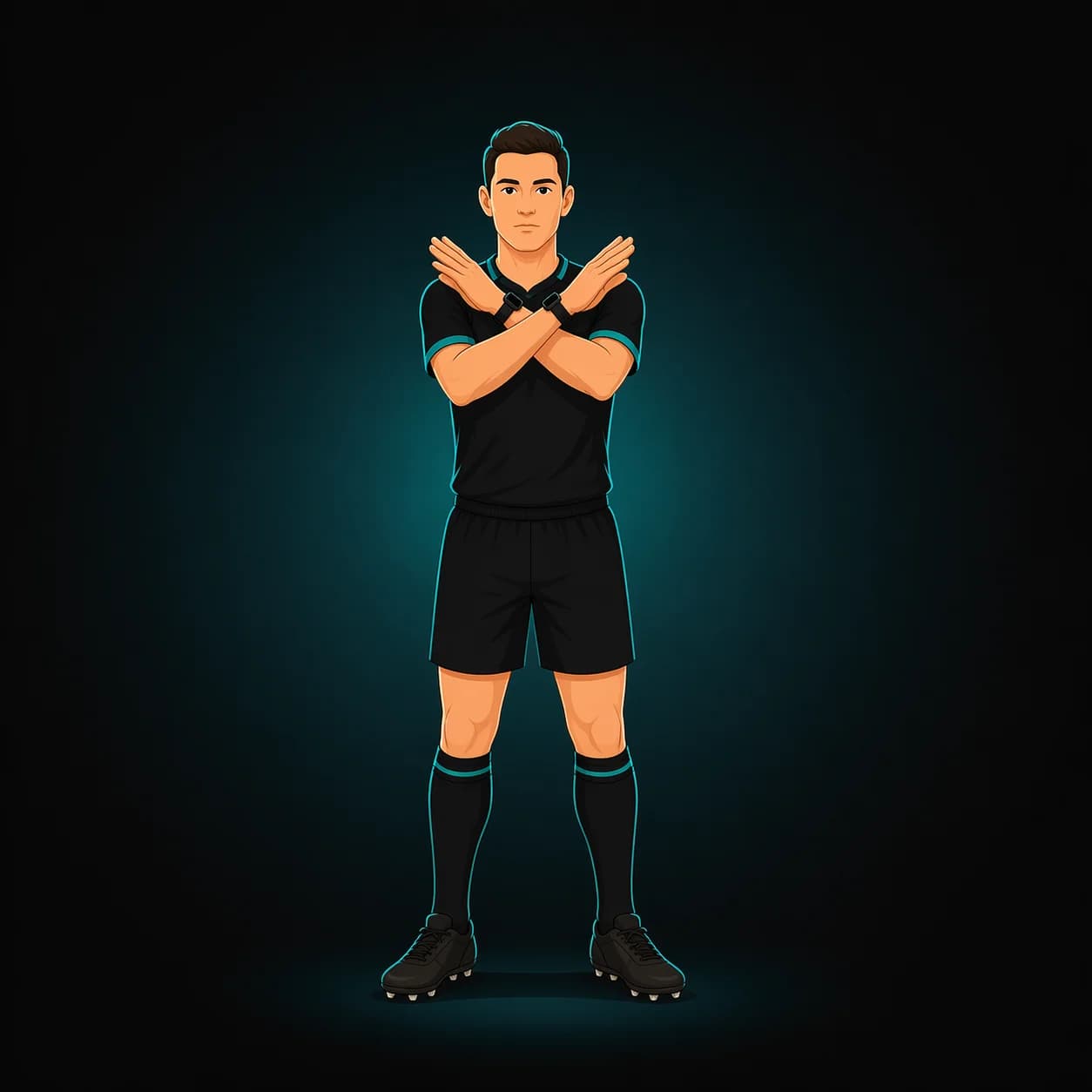
The referee awards a penalty kick to the other team at the place of the obstruction. If the obstructed team still has a good attacking chance, the referee may play advantage first (Law 7).
If the obstruction stops a try that would probably have been scored, the referee awards a penalty try, and the player must be shown a yellow card or sent off (Law 8). When different players keep committing the same offence, the referee warns the team, and the next offender is shown a yellow card (Law 9).
Referee signal
Common questions
What is obstruction in rugby?
Obstruction is blocking an opponent who is trying to reach the ball or tackle the ball carrier. It is foul play under Law 9 and is penalised with a penalty kick.
What is the penalty for obstruction in rugby?
A penalty kick to the other team at the place of the obstruction. If it stops a probable try, the referee awards a penalty try (Law 8).
Is a dummy pass obstruction?
No. A dummy is a fake pass meant to deceive defenders, and it is legal. It only becomes obstruction if a player blocks an opponent at the same time.
Can you block a player chasing a kick?
No. Intentionally stopping an opponent from having the chance to play the ball is obstruction (Law 9), even if you never touch the ball yourself.
Updated